


To enhance the resilience of home energy systems in Woodside, New York, it is essential to adopt a comprehensive energy plan that incorporates renewable energy sources, improves energy efficiency, and anticipates potential climate-related risks. Traditional energy sources may currently be relied upon, but transitioning towards a more sustainable energy approach can lead to long-term benefits for both homeowners and the community.
A more resilient energy plan involves several key strategies. First, integrating renewable energy options such as solar panels or wind turbines can reduce dependence on external power grids and decrease vulnerability during power outages. Additionally, utilizing energy storage solutions, such as batteries, allows homeowners to store excess energy generated during peak production times for use during shortages.
Secondly, improving energy efficiency within homes is crucial. This can be achieved through upgrades in insulation, energy-efficient appliances, and smart home technologies, which can contribute to reduced energy consumption and lower utility bills over time.
Finally, understanding the risks associated with climate change, including extreme weather events, is vital. Implementing measures such as backup generators, resilience-focused infrastructure, and community engagement can better prepare homeowners for disruptions.
In summary, a more resilient home energy plan in Woodside requires a shift towards renewable energy, enhanced energy efficiency, and proactive measures to mitigate climate risks. These strategies not only promote sustainability but also can lead to economic benefits and improved quality of life for residents. Residents of Woodside Houses in Queens have been facing persistent challenges with their building’s infrastructure, particularly regarding inconsistent heating services. This issue has been intensified by damage to the central boiler systems caused by Hurricane Ida. In light of these circumstances, the New York City Housing Authority (NYCHA) has conducted a thorough assessment and devised a strategic plan to mitigate these problems. The proposed strategy includes the installation of window heat pumps. These units are intended to provide more reliable heating and cooling solutions, thereby addressing residents' immediate needs for comfort and affordability. NYCHA's Office has indicated that this initiative aims to improve living conditions and demonstrate the State's ongoing support for public housing. Furthermore, NYCHA plans to expand its infrastructure improvements by introducing additional heat pumps along with the installation of triple-pane windows. This will potentially enhance energy efficiency and overall comfort for the residents of Woodside Houses. For those seeking further information, residents can consult NYCHA’s Terms of Use and Privacy Policy or contact the authority directly via email, and explore Solar Panel Monitoring Systems for enhanced energy monitoring solutions related to renewable energy integration. As Woodside Houses transitions from traditional gas-fired boilers to electric heat pumps, this change is critical for ensuring reliable indoor comfort. The installation of these heating and cooling systems can result in energy savings of up to 85%. This reduction in energy consumption may improve affordability for residents and contribute to a lower environmental impact in Queens. The window units, part of a larger initiative by the New York City Housing Authority (NYCHA), offer effective temperature management within residences. Analyses by relevant state and board authorities suggest that such upgrades may positively affect resident well-being and community health. Additionally, these efforts support New York's clean energy goals as outlined by state authorities, which also include revisions to privacy policies and terms of use. In summary, the adoption of electric heat pumps signifies a step towards more sustainable energy practices and the enhancement of living conditions for residents. Woodside Houses, which is administered by the New York City Housing Authority (NYCHA), is currently facing significant financial and operational challenges that need to be addressed to reach its energy resilience targets. Presently, NYCHA is dealing with a $35 million deficit that affects all initiatives related to the modernization of heating and cooling systems. This financial gap calls for a comprehensive analysis and possible revisions to existing proposals. Recently, NYCHA completed the installation of 72 window heat pumps within a week, which highlights some operational challenges the organization faces, even with support from the board and the State. The Office of the President has emphasized the importance of affordable housing in Queens, which is closely linked to these energy initiatives. To effectively protect the interests of residents, it is essential to develop sustainable plans that incorporate community involvement. NYCHA's approach to bulk purchasing could lead to reduced costs in the long run; however, the continuous nature of this initiative presents daily operational hurdles that hinder progress. Overcoming these challenges will be critical for NYCHA as it strives to advance its energy resilience goals. The implementation of heat pump technology at Woodside Houses has led to measurable changes in energy consumption patterns. The shift to electric heat pumps is associated with an estimated reduction of 85% in energy usage when compared to traditional gas-fired heating systems. This change has resulted in more consistent heating and cooling throughout the apartments. These improvements align with the New York City Housing Authority’s (NYCHA) goals of enhancing affordability and achieving energy savings, particularly in the Queens area. Financial evaluations indicate a projected decrease in utility costs, which could assist the community in more efficiently using resources. The NYCHA Board President has noted that these advancements support both state and city efforts towards decarbonization. The NYCHA Office continues to provide updates and plans to residents through email communications, adhering to its Terms of Use and Privacy Policy. Following the successful implementation of the pilot program, the New York City Housing Authority (NYCHA) is expanding the use of heat pump technology at Woodside Houses and across its property portfolio. This initiative aims to improve energy efficiency in heating and cooling systems. According to board analysis and updates, NYCHA plans to introduce 150 new window units at Woodside, with intentions for further installations that could total tens of thousands across New York City. The President’s Office has indicated that this broad approach seeks to maintain affordability for residents while facilitating the transition to more efficient energy solutions. The anticipated outcomes may also influence private property owners to explore similar energy-efficient technologies, thereby contributing to a more resilient energy infrastructure in the region. This initiative reflects a systematic effort to enhance energy efficiency while addressing the needs of the community. The 2025 New York State Energy Plan emphasizes the transition to clean energy and decarbonization, which aligns with the New York City Housing Authority's (NYCHA) upgrade efforts at Woodside Houses in Queens. A pilot program by NYCHA focuses on improving energy efficiency through the installation of modern heating and cooling systems designed to reduce energy consumption by approximately 85% when compared to traditional gas-fired units. Additionally, NYCHA intends to execute bulk purchases of heat pumps, which are expected to enhance community protections and support affordability for residents. An assessment conducted by NYCHA's board indicates that these upgrades are intended to provide equitable and scalable solutions for energy use and sustainability. This initiative complies with the state's energy policy and aims to enhance living conditions within the community. For more information, please refer to the Office Email, Terms of Use, and Privacy Policy. Community engagement plays a vital role in the effective implementation of home energy plans in Woodside, New York, particularly in relation to the NYCHA pilot program. Residents of the Woodside Houses have provided valuable feedback on comfort levels and the performance of heat pumps after their installation. This input is crucial for customizing energy solutions to better meet the specific needs of the community. The discussion surrounding community support and affordability is significant, especially as it is a topic of ongoing dialogue among Queens residents at local board meetings and on social media platforms. The Earth Day plan underscores the necessity of public input to safeguard historically underserved communities, highlighting the importance of inclusive planning processes. The feedback collected from residents aids the NYCHA Office and its leadership in making informed decisions about heating and cooling systems. It ensures that the energy improvements reflect the actual needs of residents, rather than relying on assumptions from outside sources. Additionally, mechanisms such as email communication, Terms of Use, and a Privacy Policy are in place to enhance transparency in the engagement process. A comprehensive home energy strategy in Woodside, New York, involves more than just deploying new technologies; it requires a systematic approach to accountability and governance, particularly from entities such as the New York City Housing Authority (NYCHA). NYCHA currently implements governance measures by involving community members and its board in evaluating policies, which facilitates the prioritization of initiatives that aim to ensure affordability and improve public safety. Programs including the Clean Heat for All Challenge and numerous heat pump initiatives are focused on enhancing energy efficiency while also addressing environmental justice concerns in Queens. NYCHA strives to maintain transparency through communications from its President’s Office and provides stakeholders with regular email updates regarding relevant developments. Additionally, the organization employs a data-driven strategy that is informed by well-defined Terms of Use and Privacy Policies to build trust with the residents of New York. This structured approach not only fosters accountability but also integrates into larger efforts to execute sustainable governance practices within the energy sector. Implementing resilient home energy plans in Woodside involves making strategic decisions that enhance personal comfort and security while also benefiting the broader community. This approach typically includes the integration of smart technology, renewable energy sources, and energy efficiency improvements. These measures can better prepare homes for extreme weather events and evolving energy demands.
Research indicates that households utilizing renewable energy, such as solar panels, can reduce their reliance on conventional energy sources, potentially lowering utility costs over time. Additionally, energy-efficient upgrades, such as better insulation and energy-efficient appliances, can lead to significant reductions in energy consumption.
Community engagement plays a crucial role in the success of these initiatives. Residents who are actively involved in discussions and provide feedback on local energy policies contribute to greater accountability and decision-making processes that affect energy infrastructure and sustainability goals. By adopting best practices in energy management, homeowners can help foster a resilient energy framework that benefits both individual households and the community at large.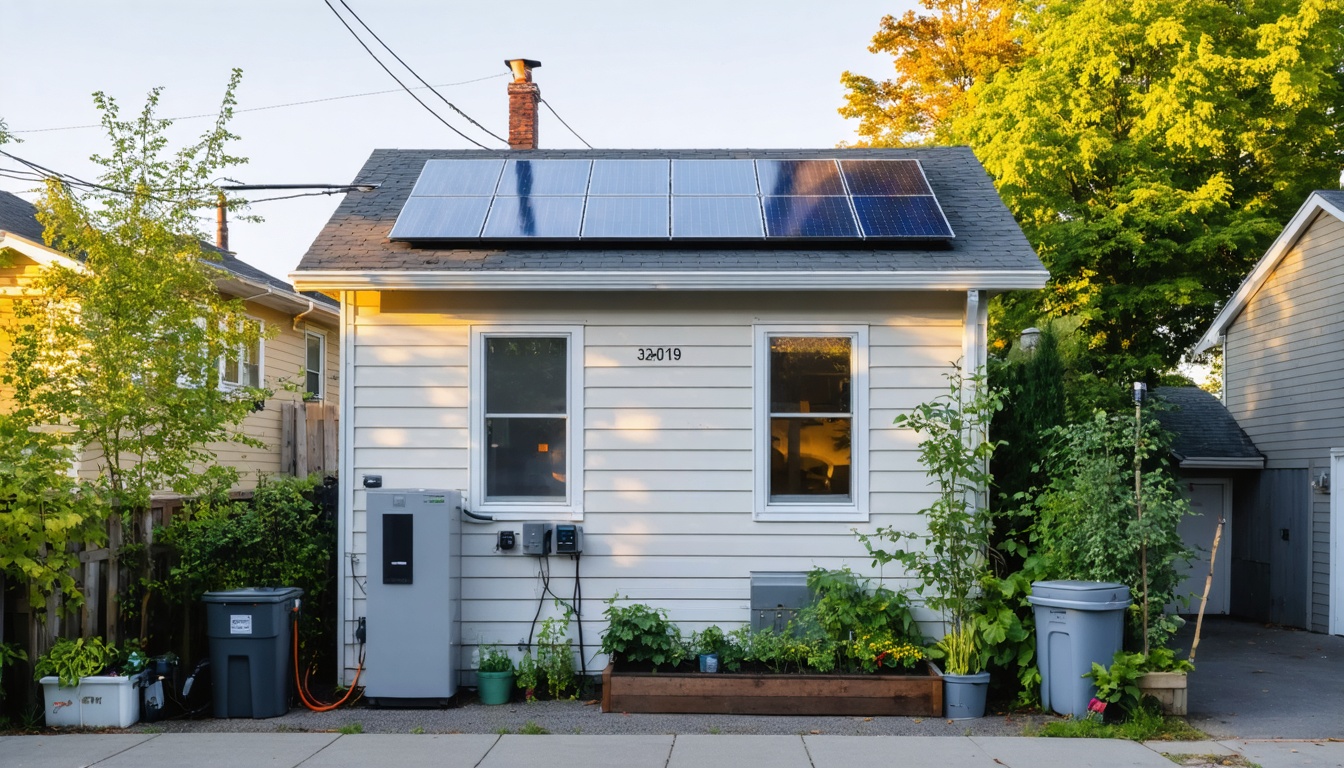
What a More Resilient Home Energy Plan Looks Like in Woodside, New York
Addressing Aging Infrastructure and Resident Needs
Implementing Innovative Heating and Cooling Solutions
Overcoming Financial and Operational Challenges
Measuring the Impact of Heat Pump Technology
Scaling Up for Future Installations
Aligning with the New York State Energy Plan
Community Engagement and Public Input
Strengthening Accountability and Governance
Conclusion